Tractor Supply Bristow: A Case Study in Rural Retail and Sustainable Agriculture
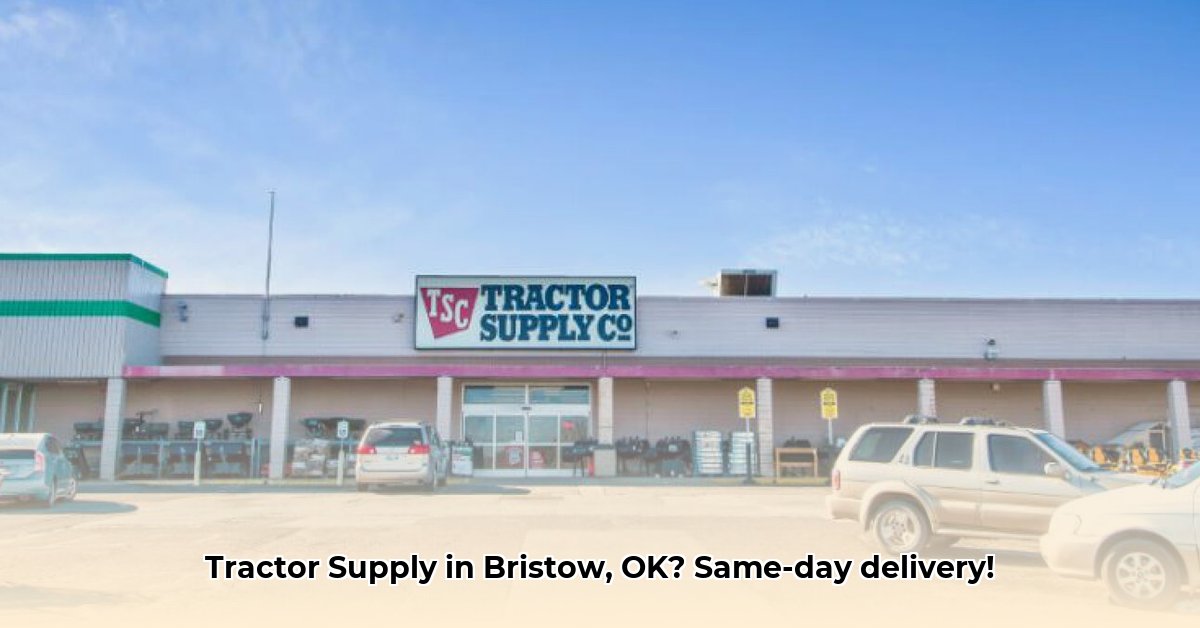
Tractor Supply Company (TSC) in Bristow, Oklahoma, serves as more than just a retail outlet; it functions as a vital hub for the local agricultural community. This case study examines TSC Bristow's operational model, analyzing its contribution to the local economy and its potential role in promoting sustainable agricultural practices. The analysis highlights areas of strength, identifies opportunities for improvement, and proposes actionable strategies for stakeholders. For a similar case study in California, see the Susanville TSC example.
A Rural Lifeline: Beyond Tractors and Supplies
Located at 700 N Main St, TSC Bristow offers a comprehensive inventory extending beyond its namesake. The store provides convenient access to a wide range of goods, from farm equipment and animal feed to clothing and household items. This one-stop shop model significantly reduces the time and effort required for farmers to acquire necessary supplies, a critical advantage, especially during peak seasons. This convenience directly impacts operational efficiency and reduces the overall cost of farming operations.
Customer Satisfaction: Building Community Through Service
A consistent theme emerging from customer feedback is the exceptional service provided by TSC Bristow's staff. Their knowledge and helpfulness foster strong customer relationships and build a loyal client base, transforming the transactional nature of retail into a more personalized and community-oriented experience. This positive word-of-mouth marketing is invaluable and underscores the importance of strong human capital in maintaining a competitive advantage.
Supporting Sustainable Practices: An Indirect but Significant Impact
While TSC Bristow's direct contribution to sustainable farming practices requires further investigation, its indirect impact is substantial and demonstrable. The store's efficient same-day delivery service ensures timely access to essential supplies, minimizing downtime and production losses. This timely access is vital to implementing proactive maintenance and reducing waste, both hallmarks of sustainable agricultural operations. However, quantifying this contribution requires more detailed analysis of sales data and operational practices.
Opportunities for Growth and Deeper Analysis
To fully comprehend TSC Bristow's impact, additional research is necessary. Specifically, a quantitative analysis of sales data—focused on the volume of sustainable products—could inform future inventory decisions and highlight areas for targeted expansion. Furthermore, an investigation into the store’s transportation strategies, including its exploration of eco-friendly delivery options, would provide crucial insights into its environmental footprint and identify opportunities for improvement. A comprehensive economic impact study is also warranted to establish its broader influence on the local economy.
Actionable Intelligence: Strategies for Improvement
The following table outlines actionable steps for various stakeholder groups to enhance TSC Bristow's contributions to sustainable agriculture and the local community.
| Stakeholder Group | Near-Term Actions (Next 12 Months) | Longer-Term Strategies (3-5 Years) |
|---|---|---|
| Local Farmers | Participate in regular surveys to gauge satisfaction and identify unmet needs. | Engage in collaborative initiatives fostering sustainable farming methods with TSC Bristow support. |
| Tractor Supply Company | Analyze sales data to identify trends in sustainable product purchases. Pilot eco-friendly delivery options in Bristow. | Invest in staff training on sustainable agriculture best practices and eco-friendly operations. |
| Bristow Community | Implement community outreach programs highlighting TSC Bristow’s role in local agriculture. | Partner with local organizations to support community initiatives and events. |
Conclusion: A Vital Community Asset
TSC Bristow, Oklahoma, operates as a critical component of the local agricultural ecosystem. While further research is needed to fully quantify its impact on sustainability, its commitment to customer service, efficient same-day delivery, and diverse product selection establishes it as a valuable asset to the Bristow community. A data-driven approach to future planning, incorporating the insights from this case study, will further enhance its role in supporting both the local agricultural sector and broader sustainable initiatives.
How to Improve Tractor Supply Store Sustainability Initiatives in Rural Areas: A Framework for Nationwide Impact
The experiences of TSC Bristow offer valuable insights into enhancing sustainability initiatives at Tractor Supply stores across rural areas. Optimizing sustainability necessitates a multi-pronged approach engaging various stakeholders and incorporating data-driven decision-making.
Sustainable Supply Chains: Prioritizing Eco-Friendly Products
TSC can enhance its sustainability efforts by strategically prioritizing the sourcing and promotion of products from manufacturers committed to sustainable practices. This includes emphasizing products featuring eco-friendly packaging, reduced carbon footprints during production, and responsible resource utilization. Highlighting these eco-friendly options prominently within the store and online can influence consumer choices and encourage adoption of sustainable alternatives.
Empowering Farmers: Knowledge is Power
TSC can serve as a resource hub for sustainable agricultural practices by hosting workshops and providing educational materials. Partnerships with agricultural experts can facilitate the dissemination of best practices regarding water conservation, soil health, and integrated pest management techniques. Accessible online resources, such as short instructional videos, can further empower farmers with the knowledge to adopt more sustainable farming methods.
Waste Reduction: Implementing Local Recycling Programs
TSC can contribute to cleaner communities by implementing in-store recycling programs for various materials, such as plastic containers, oil filters, and batteries. This addresses the frequent lack of robust recycling infrastructure in rural areas and fosters a sense of shared environmental responsibility within the community. The initiative enhances TSC's image and builds stronger community ties.
Strategic Collaboration: A Community-Wide Effort
Successful sustainability initiatives require collaboration. TSC can leverage partnerships with local governments and agricultural organizations to implement sustainable practices and share resources. Joint educational programs and collaborations on grant applications for agricultural projects can amplify the impact of sustainability initiatives and foster a sense of shared responsibility.
Measuring Success: Data-Driven Accountability
Data-driven evaluation is essential to track progress towards sustainability goals. Tracking key performance indicators, including the sales volume of sustainable products and participation in recycling programs, provides tangible evidence of the effectiveness of implemented strategies. This transparency builds trust and inspires continuous improvement.